


 By neha - July 06, 2026
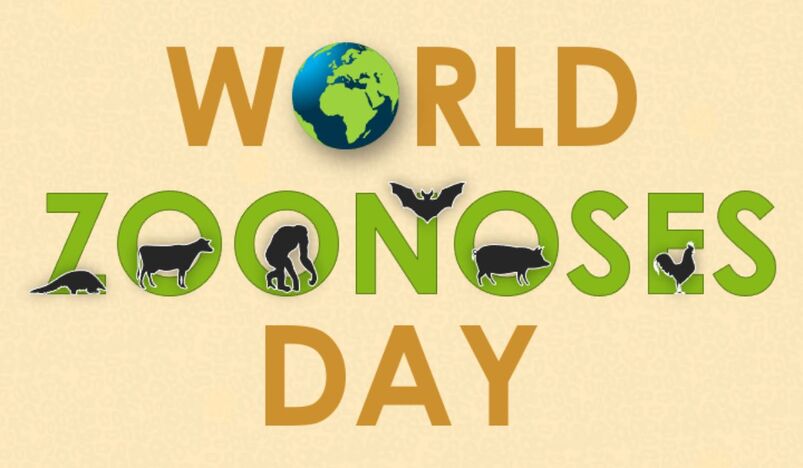
Every July 6, health experts pause to talk about diseases that jump from animals to people. World Zoonoses Day exists for exactly that reason. It reminds everyone how closely human health and animal health stay connected.
What Is World Zoonoses Day
World Zoonoses Day honors a major medical breakthrough from 1885. On that date, French scientist Louis Pasteur gave the world's first rabies vaccine. He treated a young boy who had been bitten by an infected dog, and the shot saved his life.
That single moment changed the future of disease prevention. It proved that science could stop a deadly zoonotic illness before it killed. The day was officially established in 2007 to keep that lesson alive.
What Counts As A Zoonotic Disease
A zoonotic disease spreads between animals and humans. It can come from a bite, contaminated food, dirty water, or even a mosquito. Some spread through simple contact with an infected animal.
Common examples include rabies, avian flu, Lyme disease, and salmonella. Ebola, West Nile virus, and monkeypox also fall into this category. COVID-19 is widely believed to have zoonotic origins as well.
Why This Topic Matters So Much Right Now
Zoonotic diseases account for roughly 60 percent of all known infections in humans. Emerging diseases show an even higher connection to animals. Experts estimate that number sits close to 75 percent.
Climate change, deforestation, and urban expansion all raise the risk. Wildlife loses habitat and moves closer to human communities as a result. That closer contact creates more chances for disease to spread.
The One Health Approach Explained
Health experts now push a strategy called One Health. It links human doctors, veterinarians, and environmental scientists together. The idea is simple: you cannot protect people without protecting animals and ecosystems too.
Governments and health organizations use this model to track outbreaks early. Early detection often stops a local problem from becoming a global crisis. Collaboration remains the strongest tool against zoonotic threats.
Simple Ways To Protect Yourself And Your Family
You do not need special training to reduce your risk. A few daily habits go a long way toward prevention.
- Wash your hands after touching pets or livestock
- Cook meat and eggs to safe internal temperatures
- Avoid unpasteurized milk and dairy products
- Keep pet vaccinations current, especially rabies shots
- Use insect repellent to avoid tick and mosquito bites
- Avoid direct contact with wild or unfamiliar animals
These steps sound basic, but they block most common transmission routes. Small habits protect entire households and communities over time.
Frequently Asked Questions
Q: What is the history behind World Zoonoses Day?
It marks July 6, 1885, when Louis Pasteur gave the first successful rabies vaccine. The day has been observed globally since 2007.
Q: How many diseases are considered zoonotic?
Experts estimate that 60 percent of infectious diseases in humans originate from animals. That figure rises to about 75 percent among newly emerging diseases.
Q: Is COVID-19 a zoonotic disease?
Most researchers believe COVID-19 originated from an animal source. The exact origin is still studied by scientists worldwide.
Q: What is the easiest way to prevent zoonotic infection?
Regular handwashing, safe food handling, and updated pet vaccinations offer strong protection. Avoiding contact with wild animals also lowers your risk significantly.

_20-08-2026_05-08.jpg)
_27-51-2026_11-51.png)
_27-43-2026_12-43.png)



.jpg)
.jpg)




.jpg)


.jpg)
.png)
.jpg)













Leave a comment